The thing that bugs me the most about a lot of hair oils on the market is that they are often too heavy and hard to wash out. It's incredibly lightweight (even for my fine hair ppl), but is still jam-packed with Ayurvedic staples like ashwagandha and dashmool to help soothe my irritated scalp. While hair oiling is generally safe, there are some potential risks to keep in mind. First, “leaving hair oil on for too long can lead to occlusion of the follicles and can contribute to seborrheic dermatitis,” says Dr. Spann.
The Benefits
Some say this can also assist with hair growth, among other hair benefits. This article will look at the benefits of using an olive oil hair mask and how to make one and apply it to your hair. You can also try reputable store-bought hair care products with olive oil as a main ingredient such as African Pride and ORS Olive Oil. When in doubt, 100% pure extra virgin olive oil is a great one to start off with.
Jenna Lyons Is Already Gifting Wonder Valley Beauty on RHONY—Now, There's More - Vogue
Jenna Lyons Is Already Gifting Wonder Valley Beauty on RHONY—Now, There's More.
Posted: Wed, 06 Sep 2023 07:00:00 GMT [source]
Prevents hair damage
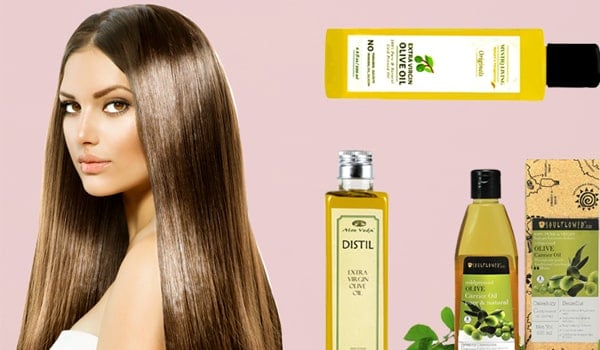
So the solution to dry and damaged hair and scalp might the Extra Virgin Olive Oil found in our kitchen. One thing that distinguishes olive oil from other oils is that it's especially rich in oleic acid, an omega-9 fatty acid, notes Dr. Mikailov. "Olive oil is rich in fatty acids [such as] oleic acid, linoleic acid and palmitic acid, as well as lipids and antioxidants," he says.
What type of olive oil is best for hair?
The only scenario you wouldn't want to use olive oil in hair is if you have very fine or thin hair since it can weigh down your strands and look greasy. You can potentially still enjoy the ingredient for your strands, but you’ll want to use it sparingly and make sure to wash it out thoroughly. According to a 2017 review of studies on the health benefits of olive oil, a compound called squalene, found in virgin olive oil, has the ability to act as a moisturizer in various cosmetics. Although there isn’t a lot of research to support the use of olive oil for hair care, some research does show that it has a moisturizing effect. You might be tempted to use olive oil on color-treated hair, specifically if you lighten it, as bleaching hair opens up the hair cuticle, making it more porous as well.
Reviewers of all hair types and curl patterns love this leave-in treatment, writing that it doesn't weigh down their hair or change their curl pattern, no matter the length of their locks. Being that olive oil can help protect your hair from environmental damage, you may want to try it as a leave-in treatment. Check out these olive oil-based leave-ins, each of which provides all the benefits and moisture of olive oil without quite the same level of thickness. Not quite ready to reach into your pantry next time you style your hair? In that case, check out these dermatologist-recommended shampoos and conditioners, each of which incorporates olive oil in its formula. Dr. Marcus also says, "If one has oily hair already, olive oil should not be applied to the hair."
Squigs Gooseberry Delight Hair Oil
And then, as previously mentioned, people with inflammatory scalp conditions should consult a dermatologist before proceeding with a hot oil treatment. Aside from the fact that putting hot oil on your hair can burn you, especially if you heat it too thoroughly, there are other ways hair oiling can be harmful, Dr. Lenzy says. You may have heard that hot oil treatments benefit hair growth, but there is no research to support that it does so directly. Research shows that certain oils may boost blood circulation, which in turn may stimulate scalp hair follicles. If you don’t have the patience to leave it overnight—or your scalp tends to be oil-prone—try hair oiling as a pre-shampoo treatment.
Olive Oil For Hair Loss & Thin Hair
Olive Oil for Hair: Benefits, Risks, and How to Apply It - Business Insider
Olive Oil for Hair: Benefits, Risks, and How to Apply It.
Posted: Fri, 03 Dec 2021 08:00:00 GMT [source]
When your hair feels dry and frizzy, it’s hard to resist seeking a quick fix to restore its lustrous shine. Hair oiling benefits are not new—many have touted the benefits of rosemary oil and batana oil on strands. Hot oil treatments for hair are thought to remedy everything from lackluster texture to hair growth, but experts have mixed opinions. Regardless of your approach, the oil should always be washed out after dwelling on damp or dry hair for a minimum of 30 minutes, per Davines Haircare.
Olive oil could add softness and strengthen hair by penetrating the hair shaft and preserving moisture. The shine said to come from olive oil may be due to the oil smoothing the outer cuticle of the hair. “My favorite is the FEKKAI Brilliant Glossing Multi-Tasker créme,” says Irshinskiy.
Combine the hair mask with an at-home facial or a nice long bubble bath. If you warm the oil in the microwave first, make sure it doesn’t get too hot. If you don’t want to heat the oil in the microwave, another option is to place the container of oil in a bowl of hot water.
You might have heard that in addition to strengthening strands, olive oil can lead to longer, fuller hair. But should you grab for the bottle if hair growth is your primary concern? “Olive oil can soothe your scalp, strengthen your hair follicle, and potentially stimulate hair growth," says Fekkai.
If you want to try out olive oil for your hair, Lal recommends applying cold-pressed extra virgin olive oil to the ends of the hair, not the scalp. Scalia recommends olive oil for people with curly, thick and coarse hair that is more prone to frizz and dryness. Olive oil applied to fine or straight hair, on the other hand, could potentially weigh it down and make it feel greasy. If your scalp health is a concern, Dr. Obayan says to stick with products that are specifically formulated for use on the scalp and hair, since they'll be much less likely to stimulate dandruff. Dr. Obayan also recommends looking for a product that combines humectants and moisturizers with oils, like Palmer's Olive Oil Leave-In Conditioner and ORS Olive Oil Style and Curl Smooth-N-Hold Pudding.

While no research beyond anecdotal evidence has proven that olive oil can help with hair care, this oil does have other possible beauty benefits. Some people suggest olive oil is useful for adding shine, body, and softness to a person’s hair, as well as helping with hair loss and dandruff. Massage olive oil into your dry scalp and comb out dandruff flakes.
“It also has antimicrobial properties that help keep the scalp healthy.” For very damaged hair, Carillo says coconut oil is key. “Coconut oil is known for its deep conditioning properties,” she says. Anyone with fine hair may want to steer clear of olive oil altogether. "Those with thinner hair may find olive oil to feel heavy and weigh their hair down," says Dr. Mikailov. "It’s better for dry, thick, or coarse hair." If that's your hair type, you can look out for the ingredient during your next trip to the drugstore.
EVOO is made in a particular way that allows the oil to retain more the olives' natural vitamins and minerals. When it comes to how often you should be applying the oil to your hair, it depends on how much hydration you need. If your hair has faired pretty well over the last few months and doesn't feel particularly stripped, you could likely stick to working it into your strands bi-weekly or even monthly. Some people also claim olive oil can act as a heat protectant, but Zito does not recommend this. Extra virgin olive oil has a smoking point of 320 °F, Zito says, and many flatirons, wands, and curling irons reach temperatures much higher than that between 400 and 500 degrees Fahrenheit. "In individuals prone to dandruff, [olive oil] can actually worsen the condition like throwing kerosine onto a fire," Zito says.
You could add three to four drops to a tablespoon of carrier oil, such as olive oil, before massaging into your scalp. As far as making hair grow faster, we don’t have reason to believe that hair color or type impacts olive oil’s effect. Chances are that olive oil will work to make hair stronger, no matter what type you have, which can provide an illusion of hair that’s growing faster. Olive oil is considered an active ingredient in many hair products, including some shampoos and conditioners. As the study did not look at olive oil’s effect on preventing hair damage, there is no way to know if olive oil does prevent damage to the hair, and, if it does, how effective it is at doing so. Even though you’re just treating the ends, keep your hair pinned up so the olive oil doesn’t get on your clothes.
But if product tends to build up easily on your hair, which is often the case with finer strands, applying the oil as a mask or as light oil mist is a great alternative. As for the kind of olive oil to use in your hair, Dr. Luke recommends using extra virgin olive oil or using hair products formulated with the oil. Most people recognize olive oil as a common cooking ingredient, but in recent years, this kitchen staple has become popular in hair and skin care. While there is plenty of anecdotal evidence to support olive oil's beauty benefits for hair, the science so far is limited. Although the hair benefits are aplenty, olive oil lacks the scientific evidence to support its use as a hair growth oil for faster, longer strands or hair density.


No comments:
Post a Comment