Table Of Content
This one’s for all of our babes with gray or silver hair—this treatment masque is perfect for intensely hydrating aging hair. Say hello to more shine and less brass thanks to arctic root extract, which helps restore texture and snow mushroom Extract for maintaining moisture. Now that you're basically a hair toner expert, let's get to the real reason you're here. For a rundown on everything you need to know about hair toners, read ahead.
( Are you looking for a significant blonde transformation? Are you looking to do a full head toning?
Once the color has washed out following the four to six week period, you can go back to the salon or re-tone your hair at home again. According to Valdes, a person might also want to use a toner to change the texture of their hair. “There's people that have super silky fine hair that goes limp naturally, so they could love their natural hair and want the texture that comes from the toning,” says Valdes. That said, at-home toners aren’t right for everyone—and it’s important to pick a solid formula. Cohen explains that many drugstore toning formulas can be overly drying when used the wrong way. If you happen to use too much of the wrong formula, your hair will feel more dry and flaky than shiny.
Will toner lighten my hair color?
Toners can be used on all colors and textures, from black to gray and white hair. Ellsworth notes that even damaged hair can benefit from toners since they can condition and strengthen porosity. “It's just a matter of communicating with your stylists about what you feel like your hair may need,” adds Valdes. Since toners are semi-permanent, it’s best to get your hair toned in between dye jobs and during the dying process. “It's the best quick fix,” Olivia Casanova, a colorist at IGK Salon in New York City, explains. While a salon appointment is your best bet for a true touch-up, there are over-the-counter toning shampoos or drops that promise a similar color-correcting fix.
How Often Should You Use Hair Toner?
“For sensitive or acne-prone skin, either frequent pillowcase changes or wearing a hair bonnet after serum application may be helpful,” she says. The purple grey provides for additional toning to neutralize yellow and the clear give an extra level of lift and a lot of shine. Use the no-lift toners if the hair is truly well lightened to level 10 and you are looking only to re-pigment. These toners are great when a quick refresh on highlighted or brassy hair is all you want to do. The extra lift in these toners will kick out the yellow and lift the hair up by around one to two levels.

What Is A Hair Toner & Why Do I Need One?
And the cause of your hair loss can help you determine the right ingredients for you—and, with that, the best hair growth serum. Therefore, “the best guidance is to ask questions and rely on trusted sources for scientific evidence and advice that is tailored to your individual need,” she instructs. With that in mind, consider these the serums worth trying to achieve your unique hair goals.
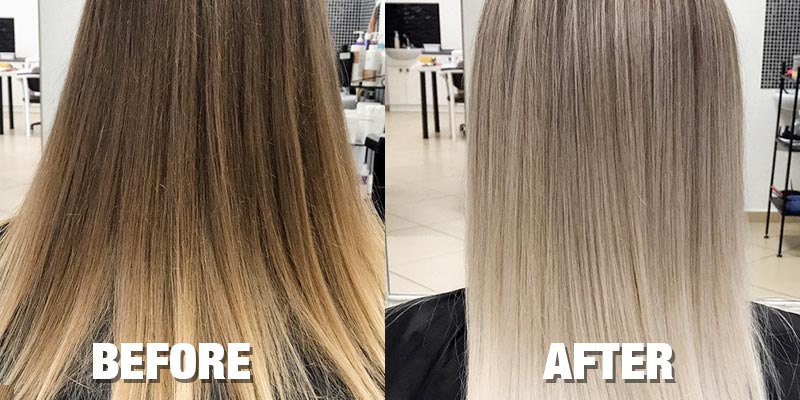
One of the most popular uses for hair toner is to help correct brassiness in blonde hair. Blonde hair can often become brassy or yellow over time, especially if it’s been bleached. Using a purple toner can help to neutralize these unwanted tones and give your hair a fresh, vibrant look. They are chosen to neutralize particular underlying pigments in your hair. This is why, for blonde hair, you will often use purple shampoos, while for black hair, the solution will be completely different. Mind that removing yellow tones is not a damage-free step, so you need to compensate for it in your hair care routine.
Redken Color Extend Blondage Color Depositing Purple Shampo
Another popular use for hair toner is to enhance or deepen the overall color of your hair. If you have dark hair, for example, using a black toner can help to give it a richer, more intense color. The best way to apply toner is to mix your toner with a developer and follow the manufacturer’s recommendations.
Everything You Need to Know About Hair Toner
Each of these is a professional toner, designed for stylists to achieve perfect salon results. As far as choosing the shade of your toner, there is a trick that we hairstylists use. Now, unless you are an artist, designer, or beauty specialist, chances are you haven’t used the color wheel that much in the last decade, but I am here to help.
17 Blonde-Hair Toners to Fight Brassiness In-Between Salon Appointments - Fashionista
17 Blonde-Hair Toners to Fight Brassiness In-Between Salon Appointments.
Posted: Fri, 14 May 2021 07:00:00 GMT [source]
If you want a dramatic hair transformation, for example brown to blonde, you will need to use a specific type of hair colour to achievethis result. Once using toner, the results should last about four to six weeks. Depending on how often you color your hair, you can either tone your hair again once it starts showing brassy tones, or you can visit your colorist for a revamp. Your colorist can also advise you on a personalized routine that’ll keep your hair color looking fresh and vibrant for as long as possible.
It’s also available as a gel or gloss-like formula to add shine to your color. We’ll answer each of these questions (and more) in our complete guide. If your hair is looking dull or lifeless, using a clarifying toner can help to brighten up your strands and give them new life. One of the best toning masks we’ve tried, hair feels soft, silky and healthy after just a single use of Wella Color Fresh Semi-Permanent Color in Light Blonde Natural. Of course it’s the color change that’s the real draw, and this more than delivers in as little as ten minutes. And with that, here are some expert-approved home toners to consider adding to your haircare routine.

For example, if a client needs a deep conditioning treatment, Leffler offers one from Brazilian Blowout for an additional $50. Pick the one which most suits the blonde level you are looking to get to. Use 20 Vol developer and make your mix in a plastic applicator bottle. Segment the hair well and apply, and go fast, as they are all very fast acting. Kristin Ess is a celebrity hairstylist and founder of Kristin Ess.
For crash course on what to know about in-salon and at-home hair toner options, keep reading. Some stylists charge more to color longer hair, primarily to recoup the cost of additional dye products needed. This last toner is to be used when you have nicely lifted hair after bleaching and you want to neutralize the yellow quickly.
How to Tone Your Hair at Home - FASHION Magazine
How to Tone Your Hair at Home.
Posted: Mon, 14 Sep 2020 07:00:00 GMT [source]
"Colorists use many different words to describe a toner," explains Cunningham, who adds that stylists often use 'hair gloss' or 'glaze' interchangeably when describing hair toner. "When I'm working behind the chair, I typically call it a hair gloss because it makes the benefits – shine, luster, and a touch of color – super intuitive for my clients." Toners are great multi-use products that have a variety of benefits. They, of course, refresh and enhance tone, but they also add dimension to hair color and eliminate discoloration. Toners also strengthen hair by creating a protective barrier around the strands and balancing the hair’s porosity by filling in the shaft.
Caster says when choosing a hair toner, you should consider the color wheel, explaining that purple neutralizes yellow and blue neutralizes orange. So, if you went from brunette to blonde, a purple shampoo toner would be your best bet to counteract those yellow tones you often see with color-treated blonde hair. However, if you are a brunette and you begin to see those orange and “brassy” tones peeking through, opt for a blue shampoo toner. “That’s when people opt for purple shampoo that doesn’t really color the hair but leaves enough ‘stain’ on the outside to reduce some yellow tones,” he says. Hair toner is often used to even and eliminate yellow or brassy undertones and enhance a more natural tone after hair has been bleached or lightened.


No comments:
Post a Comment